As dog owners, we all know our dogs better than anyone else. We notice the little changes that others might miss, and sometimes those small changes can be the first sign that something isn’t quite right.
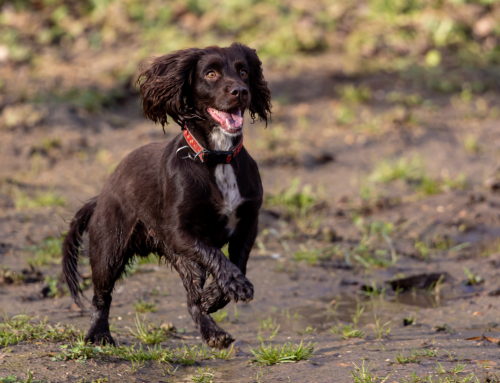
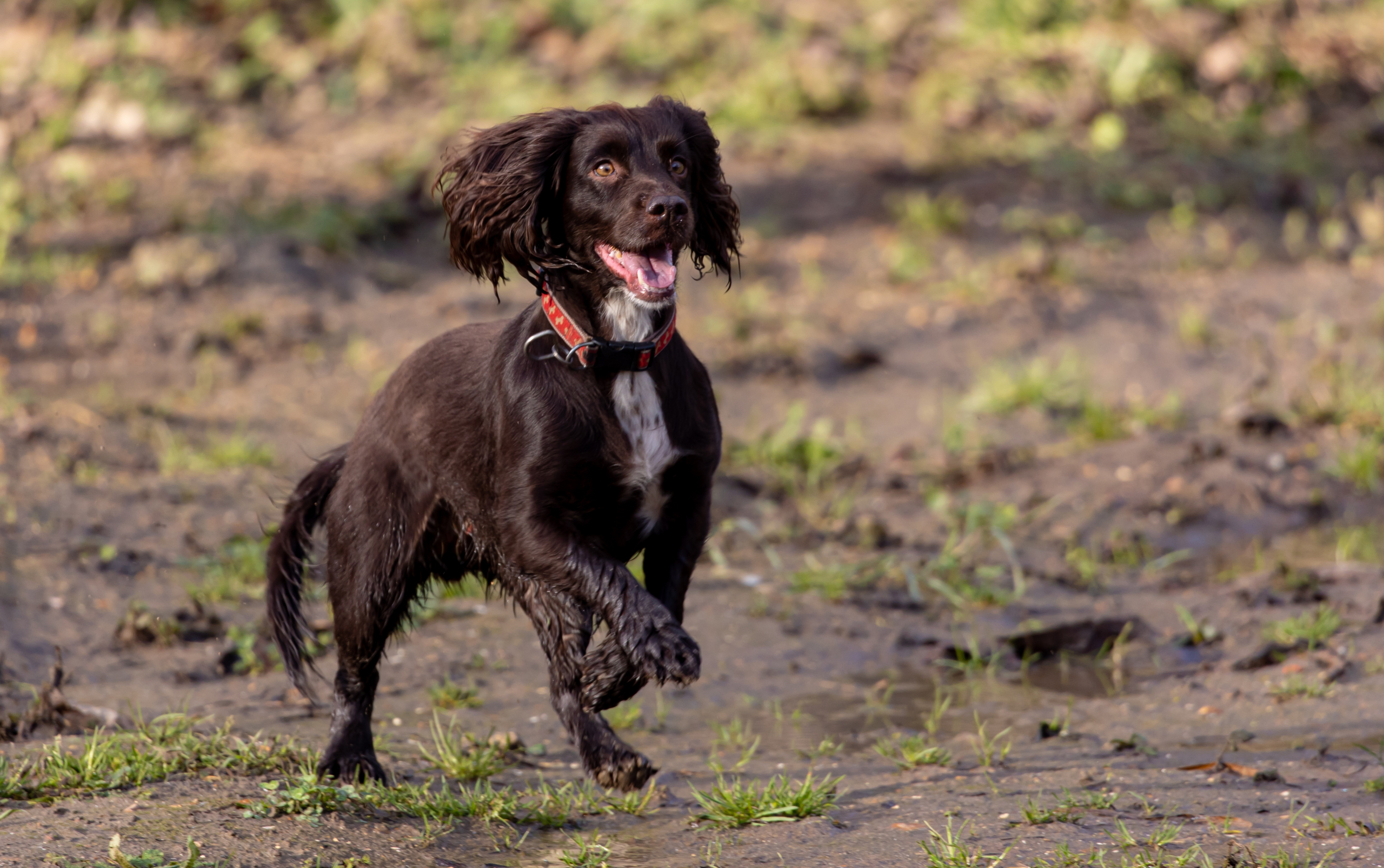
Recently, our Springer Spaniel, Buddy, started scratching at one of his ears more than usual. It wasn’t excessive, but it was enough for us to think it was worth having him checked by our vet.
Following an examination, Buddy was diagnosed with an ear infection and has now started a course of treatment. Thankfully, we spotted it early, and with the right medication he should soon be back to his normal self.
It’s a timely reminder that many health issues begin with subtle signs. Dogs are remarkably good at carrying on despite feeling uncomfortable, so it’s often down to us to recognise when something has changed.
A Daily Health Check Only Takes a Minute
You don’t need to be a veterinary professional to carry out a quick check of your dog each day. Spending just a minute or two looking over your dog can help you spot potential problems before they become more serious.
Here are a few things to look out for:
- Eyes – Bright, clear and free from excessive discharge.
- Ears – Clean, without unpleasant odours, redness or excessive scratching or head shaking.
- Skin and Coat – Check for lumps, sore patches, bald areas or signs of irritation.
- Feet and Nails – Look for cuts, damaged nails or anything trapped between the pads.
- Teeth and Gums – Healthy gums should be pink, with no obvious pain or excessive tartar.
- General Behaviour – Changes in appetite, drinking, toileting, energy levels or behaviour can all indicate that something isn’t quite right.
Don’t Forget Ticks and Fleas
During the warmer months, ticks and fleas become far more active. After every walk, particularly through long grass, woodland or farmland, it’s worth running your hands over your dog’s coat and checking carefully around the ears, neck, armpits and between the toes.
Early removal of ticks and appropriate flea prevention can help prevent more serious health problems.
Some Breeds Need Extra Attention
Dogs with long, floppy ears, such as Springer Spaniels and Cocker Spaniels, are naturally more prone to ear infections because their ears can trap moisture and reduce airflow.
Regular checks and early veterinary treatment can often prevent what starts as mild irritation from developing into a much more uncomfortable infection.
When in Doubt, Speak to Your Vet
If you notice anything unusual, don’t ignore it or hope it will simply disappear. Your veterinary practice is always the best place to seek advice and treatment.
At THE DOG MAN®, we spend a great deal of time helping owners understand their dogs’ behaviour, but good behaviour and successful training always start with a healthy, comfortable dog. Sometimes what appears to be a behavioural issue is actually your dog trying to tell you that something doesn’t feel right.
TOP TIP 💡
Taking just a couple of minutes each day to check your dog over could make all the difference.
After all, prevention is always better than cure.