Why Rescue Dogs Change After Adoption
Understanding Reactivity, Overseas Transport Stress & Realistic Training Expectations in the UK
Bringing home a rescue dog is one of the most compassionate decisions a family can make.
It can also be one of the most emotionally challenging.
Across the UK, increasing numbers of dogs are being rehomed from overseas — particularly Ireland and parts of mainland Europe — alongside domestic rescue placements. While many settle beautifully, others begin to display behaviours that owners were not expecting:
- Reactivity towards other dogs
- Fearful or protective responses on walks
- Anxiety in cafés or public spaces
- Hyper-vigilance at home
- Excessive attachment or “neediness”
The most common question we hear as professional behaviourists is:
“Why has my rescue dog changed?”
The short answer is this:
They haven’t changed.
They’ve settled.
⸻
The 3 Days, 3 Weeks, 3 Months Adjustment Period
In UK behaviour practice, many trainers reference the “3-3-3 rule” when discussing rescue dog decompression:
First 3 Days
The dog is in survival mode. Quiet, cautious, often shut down.
First 3 Weeks
Confidence begins to grow. Behaviour starts to emerge.
First 3 Months
The dog feels secure enough to express personality — including problem behaviours.
This pattern aligns with broader canine stress research.
A 2018 review published in Applied Animal Behaviour Science highlighted that cortisol levels in kennelled dogs can remain elevated for extended periods, even when outward behaviour appears calm.¹
Similarly, Dogs Trust UK reports that many rehomed dogs require several weeks before true behavioural baselines become apparent.²
What owners often interpret as “sudden aggression” is more accurately described as:
Delayed emotional expression.
⸻
Why Rescue Dogs From Ireland and Europe May Show Behaviour Changes
Overseas Rescue Dogs: Additional Stress Factors
- Dogs transported from Ireland or mainland Europe frequently experience:
- Multiple handling transitions
- Long-distance vehicle transport
- Holding kennels
- Inconsistent feeding
- Exposure to unfamiliar pathogens
- Sudden environmental change
A 2020 RSPCA briefing paper on international dog movement raised concerns around behavioural stress, disease exposure and adaptation challenges in imported rescue dogs.³
This does not mean overseas rescue is wrong.
It does mean expectations must be realistic.
Transport stress alone has been shown to elevate cortisol and sympathetic nervous system activity in dogs for prolonged periods.⁴
That heightened arousal can manifest later as:
- Reactivity
- Over-sensitivity
- Environmental scanning
- Protective behaviour
⸻
Is It Aggression or Reactivity?
One of the biggest misunderstandings in dog training is labelling.
Reactivity is not the same as aggression.
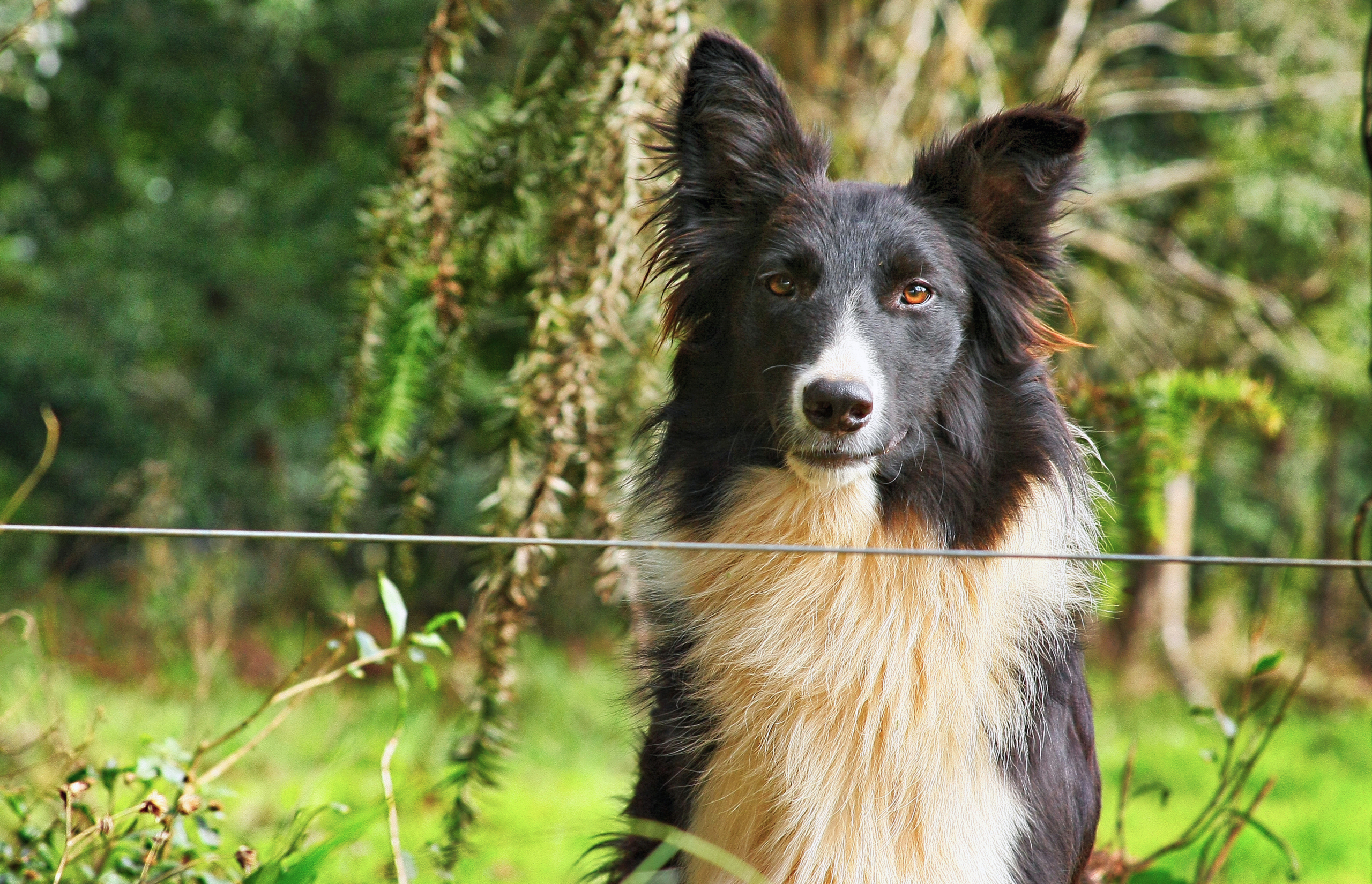
In young or recently rehomed dogs, particularly working breeds like Border Collies, reactive responses are commonly linked to:
- Emotional arousal
- Frustration
- Lack of structured freedom
- Environmental insecurity
- Inconsistent boundaries
When a dog reacts strongly to some dogs but ignores others, that inconsistency suggests insecurity rather than true aggression.
This distinction matters.
Because the solution differs.
⸻
Why We Don’t Start With Reactivity Training
Owners understandably want the visible problem addressed immediately.
If your dog reacts badly on a towpath, that feels urgent.
However, professional sequencing matters.
In behaviour modification, the correct order is:
- Engagement
- Focus
- Emotional regulation
- Reliable recall
- Structured desensitisation
Skipping foundations often leads to temporary suppression, not long-term resolution.
The British Small Animal Veterinary Association (BSAVA) emphasises that behaviour modification must address underlying emotional state before exposure techniques are applied.⁵
If a dog cannot focus on its handler, exposure work will fail.
⸻
The Role of Freedom in Working Breeds
Border Collies and similar breeds thrive on structured exercise and mental stimulation.
A dog restricted to lead walks around a housing estate — without appropriate off-lead freedom in a safe environment — may show heightened environmental responses.
This links directly to the Five Freedoms of animal welfare, particularly:
- The freedom to express normal behaviour.
- Lack of appropriate outlets often amplifies reactivity.
- This is why recall training is not separate from reactivity work.
- It supports it.
A dog that trusts its handler, understands boundaries, and can move freely under guidance becomes calmer in challenging environments.
⸻
The Financial & Emotional Commitment of Rescue Dog Training
There is an unspoken stage that many families reach.
Initial enthusiasm shifts to realism.
Training a rescue dog is not a quick fix.
It requires:
- Time
- Structure
- Consistency
- Professional guidance
Four hours of coaching does not “solve” reactivity.
It builds foundations.
Progress depends on owner consistency between sessions.
That is not a sales pitch.
It is reality.
⸻
Common Problems Seen in Overseas Rescue Dogs
While many dogs transition beautifully, experienced UK behaviourists commonly encounter:
- Lead reactivity
- Poor recall
- Environmental shutdown followed by over-confidence
- Resource guarding
- Attachment anxiety
- Hyper-vigilance
- Sensory overload in public spaces
The key is not panic.
It is process.
⸻
What Actually Works in Rescue Dog Behaviour Training
Success with rescue dogs — including those imported from Ireland or Europe — is built on:
- Calm structure
- Clear reinforcement
- Controlled exposure
- Gradual environmental expansion
- Realistic timeframes
Most importantly:
Experienced sequencing.
With the correct order of training, many reactive rescue dogs go on to:
- Walk calmly past other dogs
- Enjoy cafés and public spaces
- Develop reliable recall
- Integrate fully into family life
- But it rarely happens in weeks.
It happens over months.
⸻
Understanding The Hidden Pressures in Rescue Dog Behaviour Work
There are two pressures rarely discussed.
Pressure On Owners:
- Emotional guilt
- Financial commitment
- Fear of failure
- Social judgement
Pressure On Trainers:
- Expectation of rapid results
- Pressure to justify fees
- Navigating hope and realism
- Ethical training means resisting quick fixes.
It means building properly.
⸻
Our Professional Approach to Rescue Dog Behaviour
We work with a small number of clients at any one time.
This allows us to:
- Provide structured support
- Be available when needed
- Deliver practical, experience-based guidance
- Avoid rushed or superficial programmes
We do not offer miracle solutions.
We offer sequencing, structure and accountability.
⸻
Patience Before Pressure
Rescue dogs are not broken.
They are adjusting.
Behaviour change after adoption is not uncommon — especially in dogs transported across borders.
The key is not speed.
It is order.
When foundations are built correctly, many behavioural challenges reduce naturally.
Patience is not weakness in training.
It is strategy.
If you are looking for structured rescue Dog Training with realistic time frames you can make an enquiry here
⸻
References and Further Reading(UK-Focused)
- Rooney, N.J., Gaines, S.A. (2018). Welfare of kennelled dogs. Applied Animal Behaviour Science.
- Dogs Trust UK. (2021). Settling in your rescue dog guidance.
- RSPCA (2020). Position on the importation of rescue dogs into the UK.
- Stephen, J.M. & Ledger, R.A. (2005). An audit of behavioural indicators of stress in kennelled dogs in the UK. BSAVA Manual of Canine and Feline Behavioural Medicine, 2nd Edition.